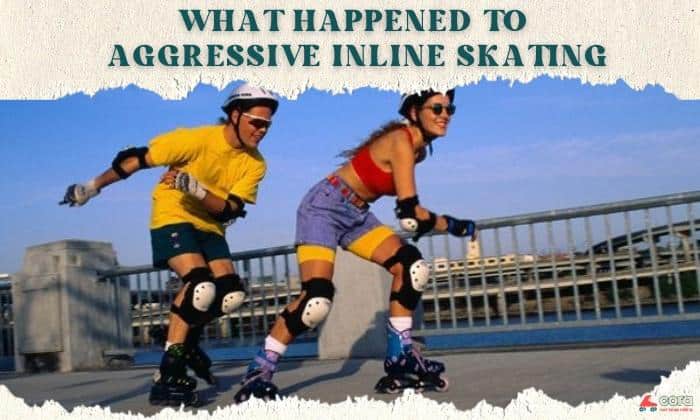
San Francisco's
in-line skaters and skateboarders are demanding to take their rightful place alongside
cyclists and other smog-free commuters, and they have enlisted a San Francisco supervisor
to help them. Supervisor Tom Ammiano has introduced legislation that would essentially
throw out a 21- year-old ban on skates and skateboards on public roadways. But in a move
sure to outrage the city's youth, Ammiano has added an ``adults-only'' clause that means
skaters must be 18 and older or accompanied by an adult to get around.
``This measure is intended to help responsible adults commute to work,'' Ammiano said,
emphasizing that he does not want young daredevils endangering public safety. ``That's why
I agreed to sponsor it.''
The public will have a chance to respond to the proposal at a hearing tomorrow before
the Housing and Neighborhood Services Committee. If approved, the full board could get the
issue as early as Monday.
A platoon of skaters -- most of them over 18 -- is expected to descend on City Hall in
support of Ammiano's measure, which would allow skaters and skateboarders to use public
roadways and business sidewalks from 30 minutes before dawn to midnight. Skating on
residential streets would be limited to daylight only.
``Skaters commute to work,'' said David Miles, an expert in- line skater who founded
California Outdoor Rollerskating Association and is working with Ammiano's office on the
proposed law. ``They use their skates for transportation. They use them to stay in
shape.''
Since 1989, Miles and as many as 500 skaters have gathered for the Friday Night Skate
-- a four- hour ritual that usually takes them from the Ferry Building at the Embarcadero
through the Marina and Cow Hollow districts and back to the Financial District.
But last year, police cited 70 skaters -- including Miles -- for breaking the 1976
ordinance against skating on public streets. Miles and other skaters say the rule is
arcane, and should be outlawed.
``We don't damage property. We don't block traffic when you're trying to get home,''
Miles said. ``We follow the rules and have demonstrated that every Friday night since
1989.''
So far, the proposal to change
the law has gotten positive feedback from police and residents, Miles said. And the
supervisors' budget analyst has concluded there would be no fiscal impact from the change.
But several critics -- including the Department of Parking and Traffic -- have written
to the board, contending that skating on public roadways is not ideal and could endanger
public safety.
``Roadway surface conditions (ruts, potholes, etc.) may pose a serious safety problem
for such devices,'' Executive Director Bill Maher said in a letter to the board. ``In
business districts, we do not recommend the use of roller- skates on sidewalks because of
the typically narrow sidewalk widths, which are even further restricted by the presence of
street furniture such as newspaper racks, parking meters and regulatory signs.''
Ammiano said he was unaware of Maher's opposition, adding that he is open to some
suggestions.
Miles said he also favors language that will address safety concerns. In fact, Miles
has asked skaters to take their wheels off when entering board chambers tomorrow.
``We want to show our consideration,'' Miles said. ``We're trying to create a real
positive image with our skating.''