| Inline Skaters Move
To The Music BY CAROLINE SCARBOROUGH
CHRONICLE STAFF WRITER
Inline skaters are discovering what
conventional skaters have known all along: It's fun to hip-hop, bebop and kick up your
wheels. So in-line enthusiasts, like their conventional counterparts, are learning to
boogie on their skates.
"Freestyle dancing jazzes up your workout," said David Miles, founder of the
Golden Gate Park Skate Patrol. "It also increases the health benefits." In-line
skating, often referred to as Rollerbladlng, is a low-impact, high cardiovascular workout,
said Miles, the unofficial godfather of Bay Area skating. "It works your legs and
thighs," he explained. "The only drawback is the lack of upper-body movements.
That's where dancing comes in. It puts the arms, waist and chest in motion.
Miles, dressed in black tights, red T-shirt and sporting a cap that mimics a "Don
King" hairstyle, sums up in-line dancing while adjusting the stereo that blares out
the funky tunes that skaters boogie to on Sundays in Golden Gate Park.
Choreographed Routines
Satisfied with the stereo, Miles skates out onto the pavement where many of the best
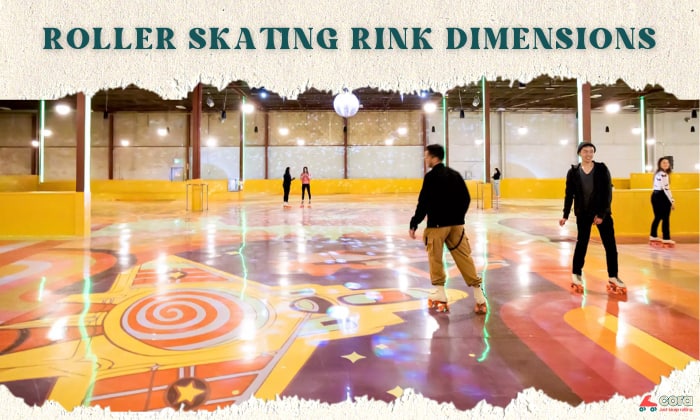
skaters in the Bay Area spin, dip, whirl, glide and strut their stuff on a dead end street
near Kennedy Drive and 6th Avenue.
Miles' 8.year-old daughter, Melanie, the overall California Freestyle Dance Champion,
and her friend, Anna Smith, 10, perform a five-minute choreographed routine that includes
cartwheels and splits. Their performance draws applause from other skaters and onlookers.
"Dancing is really cool," Melanie said, gliding over to a grassy area.
"There's always new moves to learn."
The park is an ideal place to learn inline skating and dancing, The skate patrol, a
volunteer group that promotes skating safety, offer free skating classes every Sunday
morning. Conventional and in-line students are welcome. "We give people the
basics," Miles said. "From there, they can pick up moves from dancers who gather
here in the afternoon."
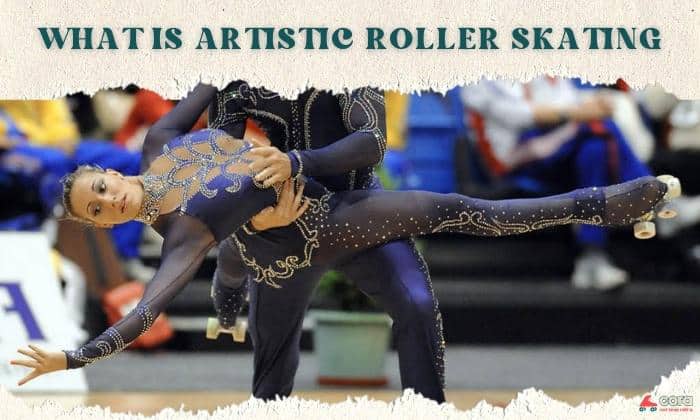
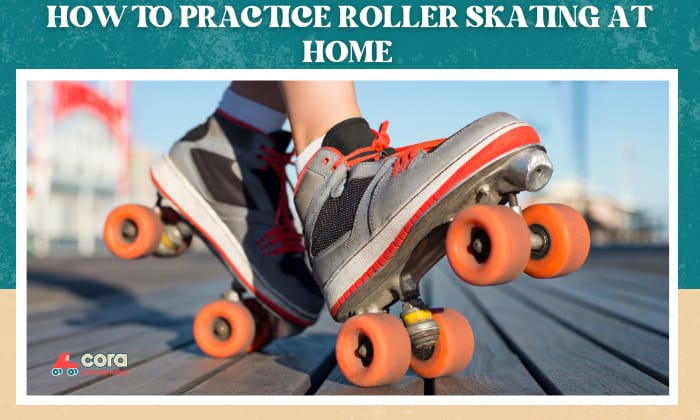
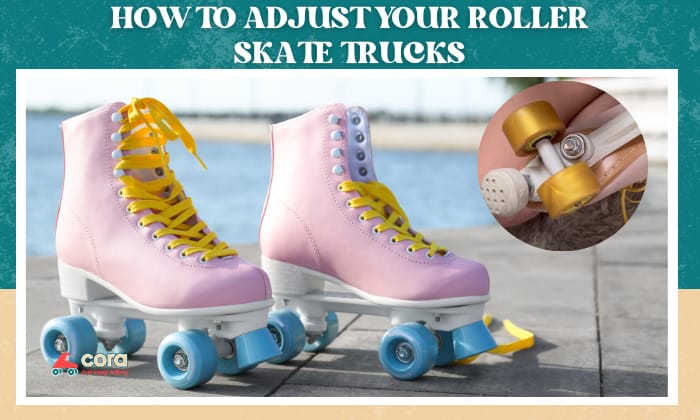
Dancing on in-line skates, which have wheels in a line, is more difficult than on
conventional skates, which have wheels set in a square. "You don't have that broad
base you have with conventional skates," Miles explained. "You can do all the
steps on inlines that you do on conventionals, it just takes more effort and
coordination,"
An Option to Rent
The real challenge for most in-line skaters, says Miles, is choosing the right skates
and getting the correct fit. Because in-line skates cost between $80 and $300, Miles
suggests beginners rent skates to test brands and fit. Several skating shops near the park
rent skates for about $7 per hour. Cost includes protective gear which skaters should
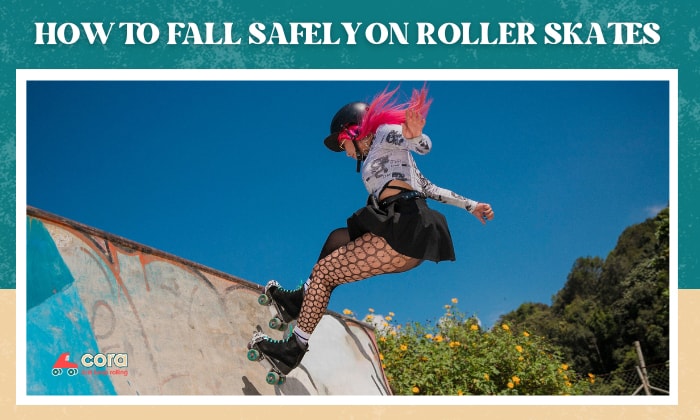
always wear, says Miles.''It's not a matter of if you're going to fall, but when you're
going to fall," Miles said. "If you wear protective gear, you'll skip a few
bruises."
For skaters who prefer a more structured learning environment, Third Wave studio In San
Francisco offers a two-hour Roller Dance class taught by roller dance instructor Richard
Humphrey. During the six-week session, skaters work out with, weights, practice
choreographed routines and learn about 30 dance steps. "I teach skaters grace,
balance and control," Humphrey said. "Control is very important. If you don't
know what you're doing, skating can be frightening."
Third Waves' smooth wooden floor provides a sharp contrast to the park's bumpy
pavement. The class is open to students on both in-line and conventional skates, and
covers everything from basic rolling to fancy moves. "Inline skating is becoming more
popular," said Humphrey, a 4O-y'ear-old office services manager at McKesson
Corporation. "I like dancing on conventionals myself, you get more fluidity. But
in-line is where it's at"
Skate Sales Going Up
In fact, in-line skating is one of the fastest growing sports in the nation, according
to statistics from the National Sporting Goods Association, an industry trade group based
in Prospect, Ill. that tracks sports trends. "In-line skate sales were about $53
million in 1990," association spokesman Thomas Doyle said. "We predict they'll
be about $350 million next year. Our studies also show in-line skating was the No.1
participatory sport in California last year."
Dancing and aerobic workouts are, "taking inline enthusiasts in a new
direction," Humphrey said. "In-line skaters are discovering that. anything you
can do on feet, you can do on skates." Backward movements, however, stall many
skaters, says Humphrey. 'There's a big fear factor with going backwards," he says.
Once, skaters conquer backward moves, there's no stopping them, says Humphrey. "Dance
is the natural progression," Humphrey said. "And you can do it anywhere, even
the kitchen. That's where some skaters really cook."
NOTES: Many Bay Area roller rinks offer in-line skating classes. In addition, the
Golden Gate Park Skate Patrol offers free lessons to skaters of all ages at Kennedy Drive
and 6th Avenue, Golden Gate Park, 11 a.m. Information: 415-752-1967. Also, skating
instructor Richard Humphrey teaches roller dance classes at Third Wave Studio in San
Francisco. Class is open to all ages. It meets Saturdays, 1 p.m.-S p.m. The fee is $15.
Information: 415282-4020 or 415469-0909. |