| So maybe, San Francisco Supervisor Tom
Ammiano figures, the moment is right for a novel form of commuting - in-line skating.He
has proposed a one-year pilot program that would allow adults to skate along some streets
to get around San Francisco. Skating advocates say they know of no similar plan anywhere
in the country. "This could be an extensive alternative means of transportation,
with minimum hazards, if people obey the rules we've set forth," Ammiano said.
The tortuous path Ammiano's proposal has taken so far shows just how new the idea of
allowing skaters to use streets is and how many questions there are about changing laws
written when skates were clunky, steel wheeled devices.
It is now illegal to skate on the streets, on sidewalks in business districts, or after
dark. The law is rarely enforced, as is apparent every Friday night, when hundreds of
skaters take off from the Ferry Building for the 9-year-old tradition of a 12-mile skate
through the city, with police cooperation.
The big change would be that by sanctioning street skating, the city would be
encouraging more people to give it a whirl than just the daring souls who do it now.
Ammiano first proposed the plan last year but withdrew it in the face of persistent
questions. Senior citizens and pedestrian groups, always wary of increasing access for
bicyclists and skaters, raised safety concerns.
"There is such a feeling of apprehension about how the sidewalks are used
improperly by skaters, bicyclists and skateboarders," said Bob Planthold of the
Senior Action Network. "It's dangerous, unnerving and unsafe."
San Francisco's Municipal Railway said its drivers, who already have to contend with
streets that often resemble the Indy 500, did not need the added challenge of skaters. The
police wanted to know how they would enforce the plan and punish violators. The city
attorney and the departments of Public Works and Parking and Traffic were concerned about
the city's liability if skaters were injured on the streets.
And everyone wanted to know who would set up the program.
So Ammiano undertook months of meetings to come up with a new plan. He introduced it
two weeks ago, and now it faces public hearings before the supervisors vote.
"It was all a lot more complicated than we thought," said David Miles of the
California Outdoor Roller Skating Association. "We wanted to answer every question
before the supervisor reintroduced it." The result is a plan for skaters to be
allowed on some of San Francisco's 180 miles of designated bike routes - streets where the
city is erecting green and white signs, each displaying a numbered route.
A skating advisory committee, with members drawn from well beyond the skating
community, would be set up to oversee the plan. Skaters would not be allowed in separate
bike lanes, those striped-off parts of a few streets, because the lanes carry a state
designation meaning they are for bikes only.
Parking and Traffic would designate which bike routes are OK for skaters. The
department says busy streets like Van Ness Avenue, Oak or Fell streets would be off
limits, but it will try to figure out a way, for instance, for skaters to get downtown
from outlying residential areas.
Skaters, who would have to be at least 18, would have to travel in single file, and in
the direction of traffic. They would have to wear protective helmets and would be
prohibited from wearing headphones. At night, they'd have to wear a lamp and a red
reflector. They would also have to carry a lengthy certificate issued, free of charge, by
Parking and Traffic, along with a map showing the permitted routes. "I, the bearer of
this card, understand that skating may be dangerous," it says.
Violators of any of the rules could be fined $25 for the first offense, and between $50
and $250 for a second offense.
Planthold still has mixed feelings but is willing to let the city give it a try.
"Will it be easy? No. I expect it involves changing everyone's attitude more than
legislation," he said. Implied in all the precautions is that only the most
experienced skaters should venture onto the streets.
"We're trying to take an antiquated law and bring it up to date with the reality
of what's happening today," said Paul Pillitteri, another leader of the skating
association.
Already Going On
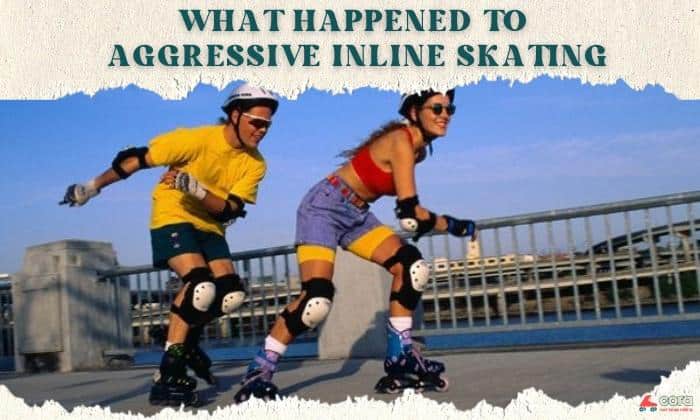
What's happening is that inline skating is tremendously popular and that some hardy
souls are already skating on city streets, often without even knowing they're breaking the
law.
"I didn't know it was against the law to skate on the streets. I've been doing it
for 10 years and the cops have never stopped me," said Kevin Barnard of the Richmond
District. "To skate downtown from here is treacherous," he said in Golden Gate
Park. "But once you're down by the Embarcadero, it's heaven."
His friend Kelley Payne said, "I skate downtown on Market Street. I don't think
I'm bothering anyone. It's the bike messengers, the jaywalkers and drivers who run red
lights on Market that are the real problem."
Another man, a professional whose office is in the Financial District, uses skates to
get around to job sites in the city. He talked freely about his skating until told that
what he was doing was against the law.
"It's not generally accepted as a professional way to travel. But it's the fastest
way to go, and it ought to be accepted," he said, asking a reporter not to use his
name.
"And besides, it's good exercise, and it makes children in the Tenderloin smile
when you skate by. |